Student Athlete Personal Training in Pensacola: 2026 Guide

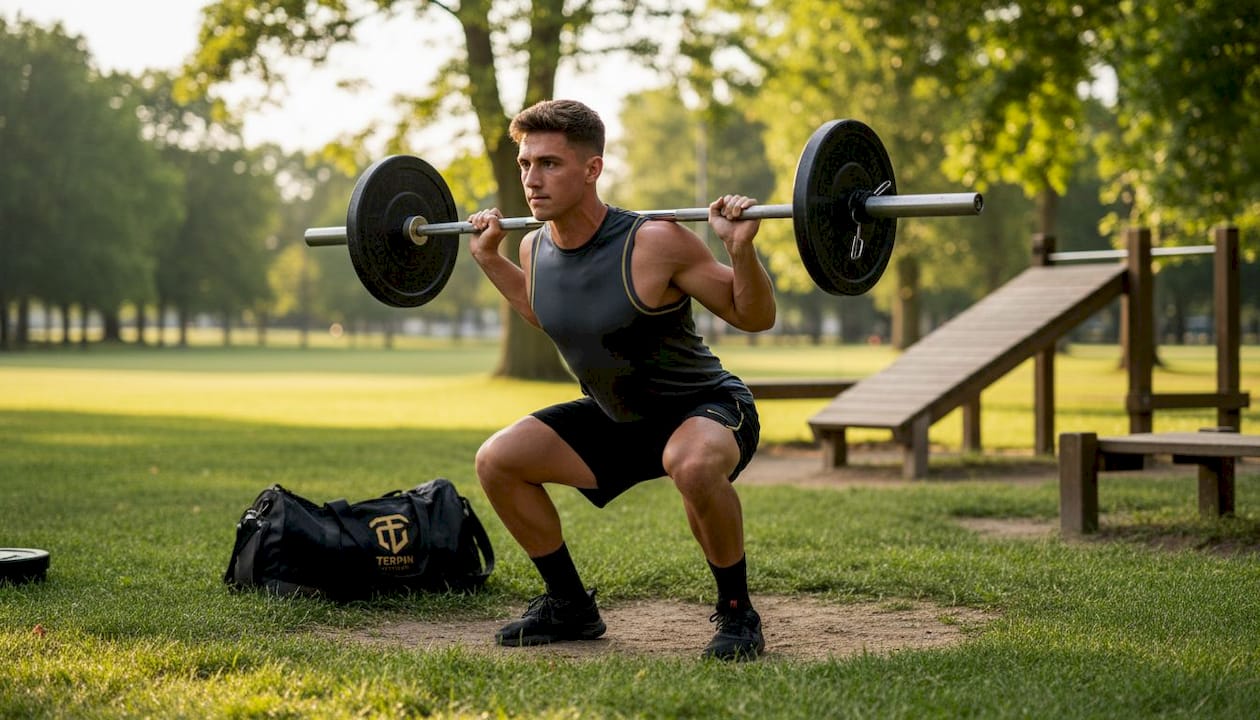
Student athlete personal training in Pensacola is the process of designing individualized fitness programs that build athletic performance while protecting academic priorities. Youth athletes who train without a personalized plan risk burnout, injury, and wasted effort. The right program accounts for your sport, your schedule, and your current fitness level. Terpinfit works with student athletes across Pensacola to build exactly that kind of targeted, schedule-aware training. This guide covers what you need before you start, where to find quality programs locally, how to build a plan that works, and what mistakes to avoid.
What do student athletes need before starting personal training?
Preparation determines whether a training program sticks or falls apart by week three. Before you commit to any Pensacola sports training program, three areas need attention: physical readiness, gear, and scheduling.
Physical readiness and health checks
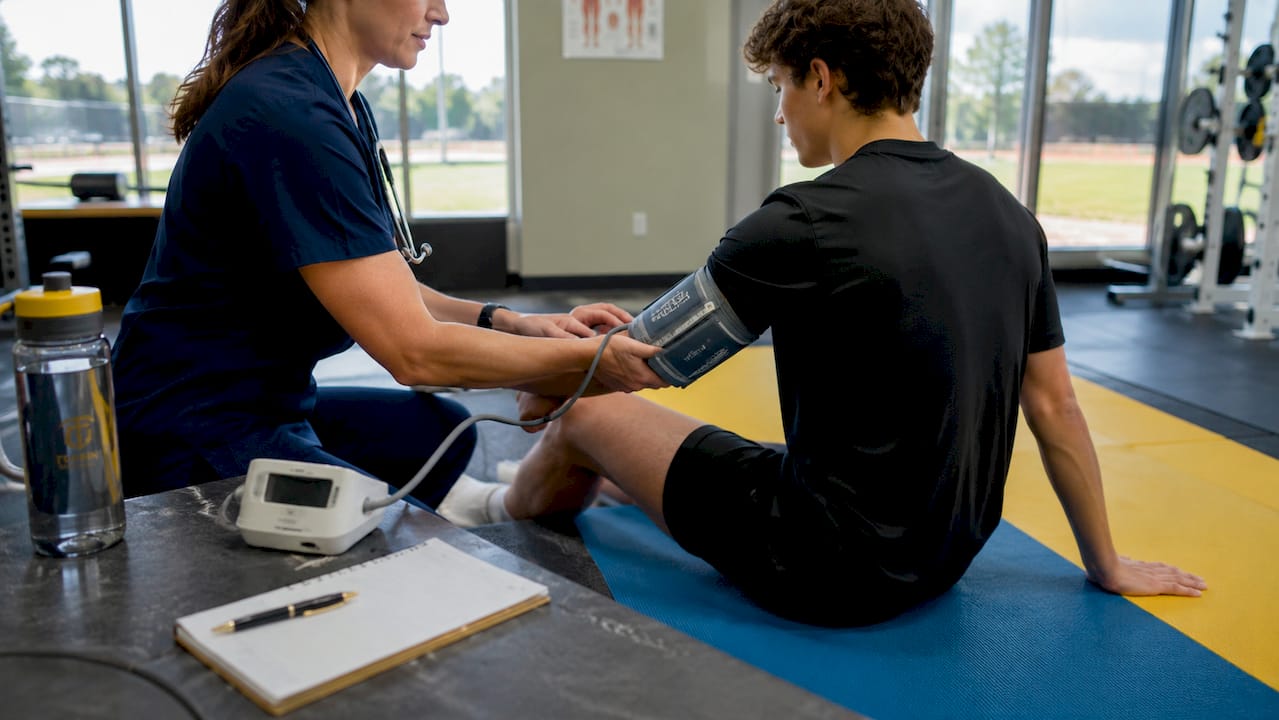
Start with a basic health screening. A physician clearance or pre-participation physical exam is the standard entry point for any structured youth athlete training program. This exam catches conditions like heart irregularities or joint instability that could turn a hard workout into an injury. If you have had a recent concussion, stress fracture, or surgery, get written clearance before training begins.
Skill level matters too. Specialized training camps in Pensacola typically require intermediate to advanced skill levels, generally needing at least two seasons of competitive experience. Placing a beginner in an advanced camp does not accelerate development. It creates frustration and raises injury risk.
Gear and equipment basics
Your gear list depends on your sport, but some items apply across the board:
Footwear: Bring sport-specific shoes. Soccer players need both indoor and outdoor options. Basketball players need court shoes with ankle support.
Protective equipment: Youth soccer programs in Pensacola require shin guards and sport-appropriate clothing for training identification.
Hydration: A reusable water bottle is non-negotiable in Pensacola’s heat.
Training log or app: You need a way to record workouts from day one.
Academic schedule awareness
Map your class schedule, exam dates, and practice times before you book a single session. Effective programs schedule sessions around academic blocks, offering early morning and late afternoon options to avoid conflicts. That flexibility is not a luxury. It is what separates programs that athletes actually complete from ones they drop after midterms.
Pro Tip: Screenshot your full semester schedule and send it to your trainer before your first session. A good trainer builds your plan around it, not the other way around.
Where can student athletes in Pensacola find personalized training programs?
Pensacola has a growing network of sport-specific programs, certified trainers, and weekend intensives. Knowing what each type offers helps you pick the right fit.
Local program types
Sport-specific camps and clinics: Basketball training programs in Pensacola focus on weekend intensives and small groups to maximize skill development. Families regularly travel significant distances to access this level of focused coaching.
Futsal and soccer clinics: Indoor futsal camps run 90-minute sessions and can cost as little as $12 per clinic day. These programs are often co-ed and emphasize tactical skills alongside physical conditioning.
Personal trainers: Certified personal trainers offer one-on-one or small-group sessions built entirely around your goals, sport, and schedule. This is the most flexible and personalized option available.
What to look for in a coach or program
Evaluation factor | What to check |
Certification | NSCA, CSCS, or NASM credentials for strength and conditioning |
Sport specificity | Does the trainer have experience with your sport? |
Schedule flexibility | Are morning and afternoon slots available around school? |
Progress tracking | Does the program use objective data to measure results? |
Group size | Smaller groups mean more individual attention |
A certified trainer who understands personal fitness for student athletes will assess your baseline before writing a single workout. Any program that skips assessment and jumps straight to a generic plan is not truly personalized.
How do you build a personal training plan that fits sports and school?
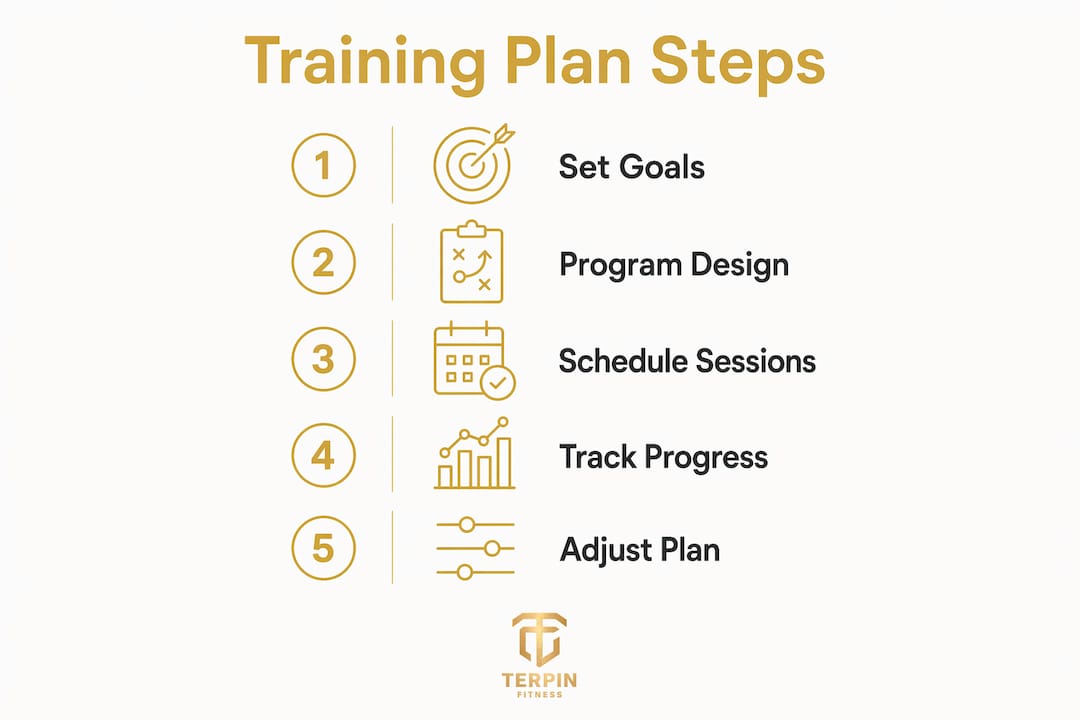
A well-built student athlete workout plan has five components: goal setting, program design, scheduling, progress tracking, and adjustment. Miss any one of them and the plan breaks down.
Step 1: Set clear, measurable goals
Vague goals produce vague results. “Get faster” is not a goal. “Reduce my 40-yard dash time from 5.1 to 4.8 seconds by April 1” is a goal. Write down two or three specific targets tied to your sport and your upcoming season. Your trainer uses these to select the right exercises, intensities, and timelines.
Step 2: Design the program around four pillars
Every effective plan for a student athlete covers:
Strength: Compound lifts like squats, deadlifts, and bench press build the base. Top programs use personalized lift cards that list every exercise, weight, and rep based on your individual metrics. This removes guesswork and keeps every session targeted.
Conditioning: Sport-specific cardio work, whether interval sprints for soccer or court drills for basketball, builds the engine your sport demands.
Skill work: Technical drills tied directly to your sport belong in the plan, not just in practice.
Recovery: Sleep, mobility work, and rest days are not optional. They are where adaptation happens.
Step 3: Schedule around your academic calendar
Block your training sessions the same way you block study time. Flexible training times, such as early morning or late afternoon slots, let you maintain academic priorities without sacrificing conditioning. A two-day-per-week strength session plus one conditioning day is a realistic starting point for a student carrying a full course load.
Step 4: Track progress with objective data
GPS technology and performance metrics are standard tools in modern training programs to measure efficiency and adaptation. You do not need GPS to track progress. A simple log of weights lifted, sprint times, and perceived effort gives you the data you need to see what is working.
Step 5: Adjust based on what the data shows
A plan that never changes is a plan that stops working. Review your numbers every three to four weeks. If your sprint times are not improving, increase conditioning volume. If your strength numbers stall, check sleep and nutrition first before adding more weight.
Pro Tip: Take a short video of your key lifts every two weeks. Form breakdowns are easier to spot on video than in the mirror, and your trainer can review them remotely.
The Partner Exercise Program for college students showed that structured, partnered workouts produced measurable improvements in fitness, mental health, and academic performance. Training with a teammate or accountability partner adds consistency and reduces dropout.
What mistakes do student athletes most often make in personal training?
The most common errors are not about effort. They are about structure, recovery, and communication.
Ignoring recovery: Adding more sessions when performance drops is the wrong move. Fatigue accumulates, and programs that accommodate personal demands see better athlete adherence and outcomes. Rest is part of the program.
Misreading intensity: Training hard every day is not the same as training well. High-intensity work needs low-intensity days around it. Without that balance, the body does not adapt. It breaks down.
Skipping nutrition: No training plan outperforms a poor diet. Protein intake, meal timing around workouts, and hydration directly affect how fast you recover and how strong you get.
Poor communication with your trainer: Your trainer cannot adjust your plan if they do not know you are exhausted, stressed about exams, or nursing a sore knee. Weekly check-ins, even a short text, keep the plan aligned with your real life.
Treating student athletes as whole persons, not just bodies to condition, is what separates programs that produce results from programs that produce burnout. The best trainers adapt constantly to what the athlete actually needs, not just what the plan originally said.
The risk of burnout is real when athletic training and academic pressure stack up without a release valve. Build scheduled rest weeks into your plan every four to six weeks. Use those weeks to reduce training volume by about half while keeping frequency the same.
Key Takeaways
Personalized training for student athletes works best when it treats the whole person, not just the sport.
Point | Details |
Assess before you train | Get a physical clearance and baseline fitness assessment before starting any program. |
Match gear to your sport | Bring sport-specific footwear and protective equipment to every session. |
Schedule around school | Use early morning or late afternoon slots to protect academic commitments. |
Track with objective data | Log weights, times, and effort levels every session to guide adjustments. |
Prioritize recovery | Build rest days and deload weeks into your plan to prevent burnout and injury. |
What I’ve learned training student athletes in Pensacola
Most athletes who come to me are not undertrained. They are overextended. They are juggling a full class schedule, two-hour practices, part-time jobs, and family obligations, and then they wonder why adding three gym sessions a week feels impossible to sustain.
The athletes who make the most progress are the ones who accept that less, done consistently, beats more, done sporadically. A student who trains twice a week with real focus and logs every session will outperform one who trains five days a week with no structure and no recovery plan. Every time.
What I have also seen is that the mental side of training is underrated for this age group. Structured workouts reduce stress and build self-confidence in ways that show up in the classroom, not just on the field. The Partner Exercise Program research backs this up. Participants reported reduced stress and improved self-compassion alongside their fitness gains. That is not a side effect. That is part of the point.
My advice: find a trainer who asks about your grades and your sleep before they ask about your max squat. That question tells you everything about how they see their job.
— Marc
Terpinfit’s training programs for Pensacola student athletes
Terpinfit offers both in-person and online personal training built specifically for athletes who need a plan that fits around school, not the other way around. Every program starts with a full assessment and a schedule review before a single workout is written.
Whether you play basketball, soccer, football, or any other sport, Terpinfit builds your program around your sport’s demands, your academic calendar, and your current fitness level. Sessions are available in the early morning and late afternoon to protect your class time. If you are ready to train with a coach who treats you as a complete person, not just an athlete, visit the Terpinfit personal training page to learn about available programs and get started.
FAQ
What is student athlete personal training?
Student athlete personal training is a structured fitness program designed around an individual athlete’s sport, fitness level, and academic schedule. It differs from generic gym training by accounting for practice loads, class time, and recovery needs.
How do I find youth athlete training in Pensacola?
Pensacola offers sport-specific clinics, weekend basketball intensives, and certified personal trainers who specialize in youth athletes. Look for programs that assess your baseline fitness and offer flexible scheduling around school hours.
How many days per week should a student athlete train?
Two to three dedicated training sessions per week is a realistic and effective starting point for most student athletes carrying a full academic load. Consistency over several months produces more results than high-frequency training that leads to burnout.
What gear does a student athlete need for personal training?
Sport-specific footwear, appropriate clothing, and protective equipment like shin guards for soccer are standard requirements. A training log or app to record workouts is equally important from the first session.
Can personal training improve academic performance?
Structured exercise programs have produced measurable improvements in mental health and academic performance for student athletes. Reduced stress and better self-regulation are consistent outcomes of consistent, well-designed training.
Recommended
Comments