Personal Trainer Checklist for Beginners: 2026 Guide

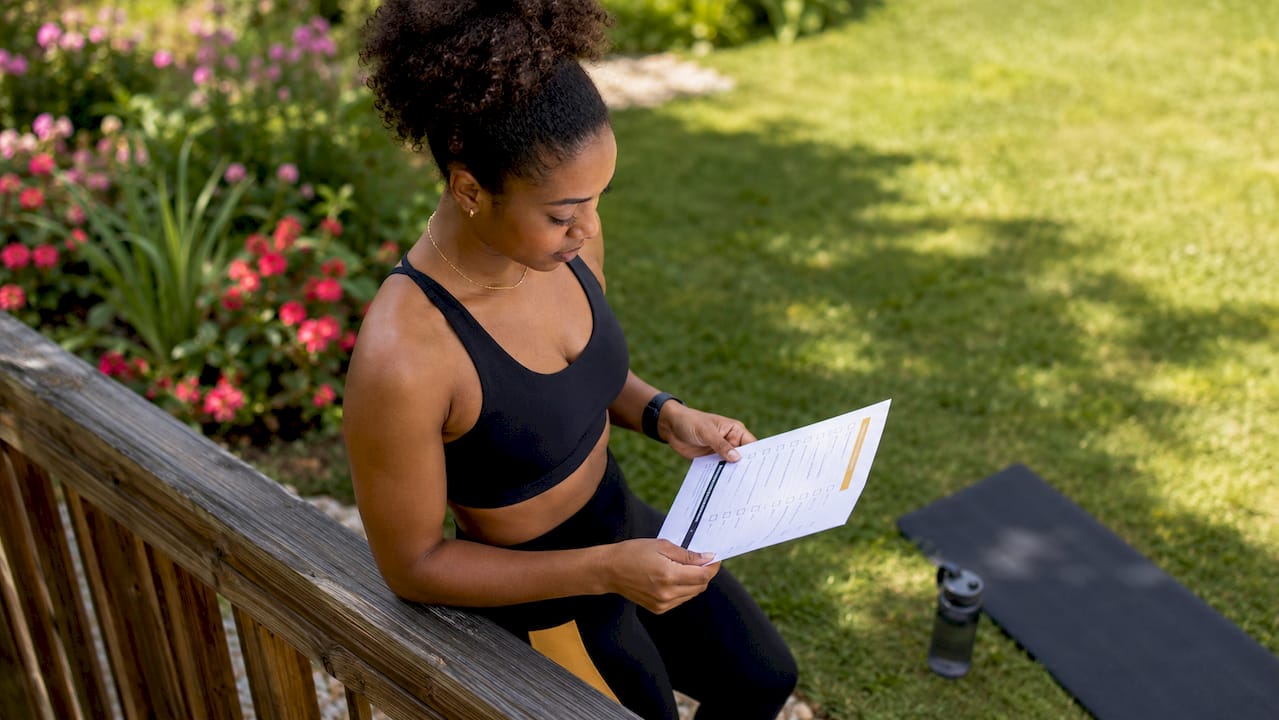
A personal trainer checklist for beginners is a structured set of criteria used to verify credentials, align goals, and prepare for a productive first session. Skipping this step is the most common reason new clients waste money and quit within the first month. The American College of Sports Medicine (ACSM) and the National Academy of Sports Medicine (NASM) both emphasize that informed client preparation directly improves training outcomes. This guide gives you every item on that checklist, in the order that matters most.
1. How to verify your personal trainer’s credentials
Credential verification is the first item on any fitness checklist for newbies, and it takes less than five minutes online. Major certifying bodies, including NASM, ACE, NSCA, and ACSM, each maintain public databases where you can confirm a trainer’s certification status in real time. Credential verification takes about five minutes online, and skipping it is never worth the risk.
Beyond the certification itself, check for current CPR and First Aid credentials. A trainer working with beginners must be prepared to respond to medical emergencies. Liability insurance is equally non-negotiable. Without it, you carry the financial risk if something goes wrong during a session.
NASM (National Academy of Sports Medicine): Strong focus on corrective exercise and movement quality
ACE (American Council on Exercise): Broad general fitness certification, widely recognized
NSCA (National Strength and Conditioning Association): Research-driven, favored for strength and performance goals
ACSM (American College of Sports Medicine): Clinically oriented, ideal for clients with health conditions
Pro Tip: Ask the trainer to show you their certification card and insurance certificate before your first paid session. Any professional will do this without hesitation.
2. Critical questions to ask before hiring a trainer
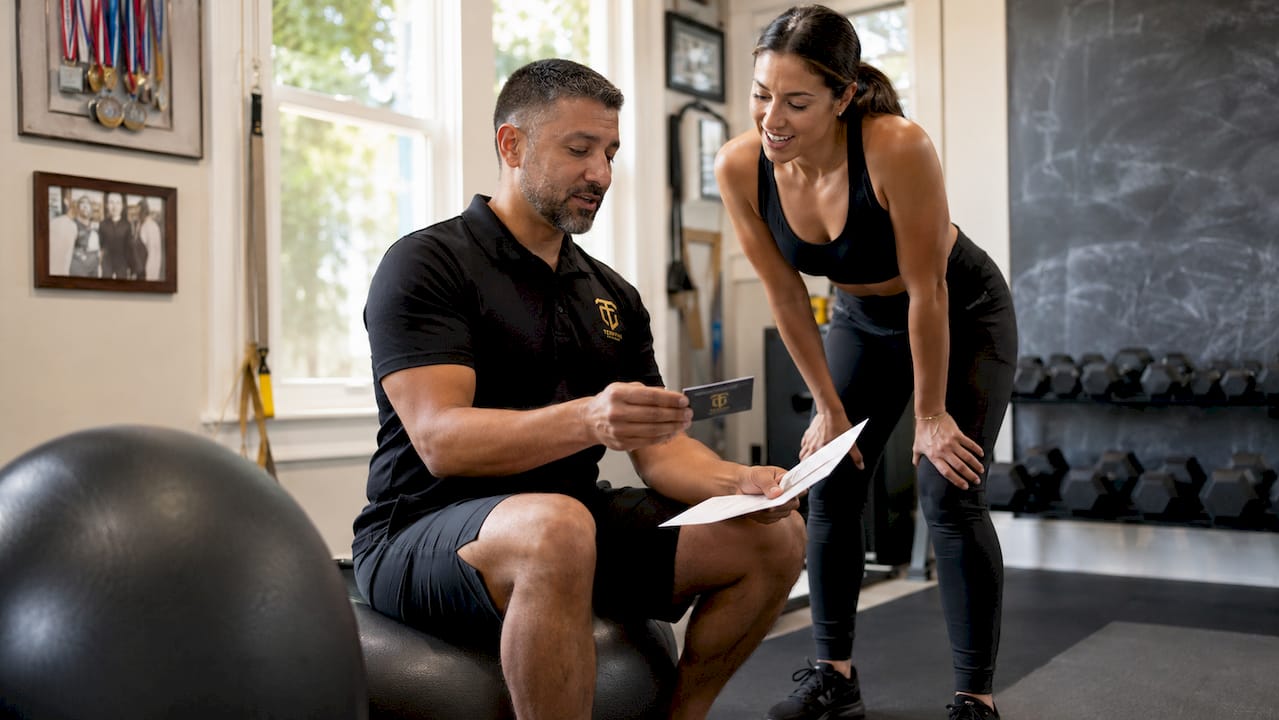
Asking specific questions about progression and client retention predicts trainer quality better than certification alone. A credential proves minimum competency. The right questions reveal whether a trainer can actually coach you.
Use this list before you commit to any package:
How do you structure progression? A quality trainer explains rep ranges, load increases, and technique benchmarks clearly. Vague answers like “we’ll figure it out as we go” are a red flag.
What does your onboarding process look like? Expect a movement screen, intake form, and goal discussion before any hard training begins.
What is your client retention rate? High retention signals that clients get results and stay. Low retention often means poor programming or communication.
How do you handle plateaus? Every beginner hits one. A good trainer has a specific protocol, not just “train harder.”
What is your cancellation and rescheduling policy? Logistics matter. Unclear policies create friction and resentment.
Can you share a client success story relevant to my goals? Trainers who specialize in weight loss should have concrete examples, not just general testimonials.
How do you communicate between sessions? Regular check-ins between workouts improve accountability and results.
Transparent progression criteria and clear retention rates are the two strongest quality signals you can get from a trainer interview.
3. What to expect in your first personal training session
The first session should focus on assessment, not a workout. High-quality trainers use the initial meeting for movement screens and injury history review rather than immediate exertion. This protects you and gives the trainer the data needed to build a safe program.
A standard first session runs 30–60 minutes and typically covers:
Goal discussion: What you want to achieve and by when
Medical and injury history: Any conditions, past injuries, or physical limitations
Movement screening: Basic patterns like squats, hinges, and overhead reach to identify imbalances
Baseline fitness assessment: Resting heart rate, body weight, and simple strength or endurance tests
Program overview: A rough plan for the first four weeks
Pro Tip: Complete your intake forms before you arrive. Trainers who send these within 24 hours of booking are signaling professionalism. Early onboarding communications set the professional tone and establish accountability from day one.
The onboarding process typically spans 7–10 days. That window includes your intake forms, first session, and an initial follow-up check-in. Expect your trainer to confirm logistics within the first 24 hours of booking.
4. Choosing the right training format and session frequency
Format fit is one of the most overlooked items when beginners start a personal training routine. Matching your training format to your lifestyle improves adherence significantly. A program you can actually show up for beats a perfect program you skip.
Format | Best for | Key consideration |
In-person | Beginners needing hands-on form correction | Requires commute; higher cost |
Online | Busy schedules or remote locations | Needs self-discipline and basic equipment |
Hybrid | Flexibility with occasional in-person check-ins | Balances cost and accountability |
For session frequency, ACSM guidelines and current training frequency research both point to 2–3 sessions per week as the starting point for beginners. That frequency builds consistent habits without overloading recovery. Going five days a week in month one is a fast path to burnout or injury.
Budget and schedule both shape this decision. If cost limits you to one session per week with a trainer, supplement with one or two independent workouts using the plan your trainer provides. A detailed breakdown of format options is available in Terpinfit’s guide to session format choices.
5. How to prepare effectively for your first sessions
Clear goal-setting is the single most effective thing you can do before your first session. Specific goals with measurable outcomes and realistic timelines help your trainer design a program that actually fits your situation. “I want to lose weight” is not a goal. “I want to lose 15 pounds in four months while building enough strength to do 10 push-ups” is.
Write your goals down with a number and a date before the consultation
Wear proper workout gear to your first session, including supportive athletic shoes
Bring water and a small snack if your session is longer than 45 minutes
Be honest about pain and discomfort during every exercise, not just the first session
Track your workouts in a notebook or app from day one so you can spot progress and share feedback
Pro Tip: Tell your trainer about any discomfort immediately, even if it feels minor. Trainers cannot adjust programming they do not know about. Learning how to communicate goals with your trainer is a skill worth developing early.
The most common beginner mistake is showing up without any preparation and expecting the trainer to figure everything out. Your trainer is a professional, not a mind reader. The more context you bring, the better your program will be from session one.
6. Understanding strength training basics as a beginner
Strength training for beginners targets all major muscle groups and builds the foundation for every other fitness goal, including weight loss. Muscle tissue burns more calories at rest than fat tissue does. That means building strength directly supports long-term weight management, not just athletic performance.
A beginner workout plan built around compound movements covers the most ground in the least time. Squats, deadlifts, rows, presses, and carries each recruit multiple muscle groups simultaneously. Your trainer should program these movements in your first four weeks, not isolate exercises like bicep curls or leg extensions.
Training 3 days per week is the optimal starting frequency for building consistent habits and seeing measurable results. That schedule leaves enough recovery time between sessions for muscles to adapt and grow stronger. Recovery is not optional. It is where the actual improvement happens.
Key Takeaways
A beginner who verifies credentials, asks the right questions, and matches their training format to their lifestyle will get better results faster than one who simply books the first trainer they find.
Point | Details |
Verify credentials first | Check NASM, ACE, NSCA, or ACSM databases before booking any paid session. |
Ask about progression and retention | These two questions reveal trainer quality better than certifications alone. |
First session is an assessment | Expect movement screens and goal discussion, not a hard workout. |
Match format to your lifestyle | In-person, online, or hybrid training each suits different schedules and budgets. |
Train 2–3 times per week | This frequency builds habits and results without risking burnout or injury. |
What I’ve learned from watching beginners skip the checklist
Most beginners I work with at Terpinfit come in having done zero vetting. They picked a trainer based on Instagram photos or a gym’s front desk recommendation. That is not a strategy. It is a gamble with your time, money, and physical safety.
The clients who get the best results are the ones who treat hiring a trainer like hiring any other professional. They check credentials. They ask hard questions. They show up to the first session with written goals and honest answers about their injury history. That preparation does not take long, but it changes everything about how the trainer-client relationship starts.
One thing I see constantly: beginners who are afraid to speak up when something hurts or feels wrong. They do not want to seem difficult. That silence leads to poor form, nagging injuries, and eventually quitting. Your trainer needs your feedback to do their job. Giving it is not complaining. It is collaboration.
The checklist is not bureaucracy. It is the difference between a training relationship that lasts three months and one that lasts three years. Preparation builds trust, and trust is what keeps you showing up when motivation fades.
— Marc
Terpinfit’s approach to beginner personal training
Starting a fitness program is easier when you have a trainer who already knows how to work with beginners. Terpinfit offers both in-person and online personal training in Pensacola, Florida, with a structured onboarding process built around the exact steps covered in this guide.
Every new client at Terpinfit starts with a full assessment session covering movement quality, injury history, and goal alignment before any programming begins. That means your first workout is built for your body, not a generic template. If you are ready to start your personal training routine with a trainer who takes preparation seriously, visit the Terpinfit services page to submit an inquiry and learn about current availability.
FAQ
What certifications should a personal trainer have?
Look for certifications from NASM, ACE, NSCA, or ACSM. These are the most widely recognized bodies in the industry, and each maintains a public database where you can verify a trainer’s status.
How many times a week should a beginner train?
Two to three sessions per week is the recommended starting frequency for most beginners. That schedule builds consistent habits while allowing enough recovery time between workouts.
What happens in the first personal training session?
The first session typically covers goal discussion, injury history, and a movement screen rather than a full workout. Quality trainers use this time to gather information and design a safe, personalized program.
How do I know if a personal trainer is right for me?
Ask about their progression method, client retention rate, and how they handle plateaus. Communication style during the initial consultation reveals how a trainer handles client doubts and maintains motivation over time.
Is online personal training effective for beginners?
Online training works well for beginners who have reliable self-discipline and basic equipment at home. The key is choosing a format that fits your actual lifestyle, since consistency matters more than the delivery method.
Recommended
Comments