Benefits of Online Fitness Coaching: Your 2026 Guide
- terpinfitness
- Jun 18
- 7 min read


Online fitness coaching is defined as expert-guided personal training delivered remotely through apps, video calls, and wearable data, giving you professional accountability and personalized programs without a gym commute. The benefits of online fitness coaching go well beyond convenience. Research shows it costs about 20-30% less than in-person training, supports 3,6 and 12-month coaching engagements, and increases adherence by over 80% compared to self-directed training. Platforms like CoachRX or ForActive, wearables like the Oura Ring and Apple Watch, and structured coach communication make that possible. If you are working toward weight loss or a real fitness transformation, the model is worth understanding in full.
1. What are the real benefits of online fitness coaching?
Online fitness coaching delivers expert guidance, flexible scheduling, and data-driven personalization in one package. That combination is what separates it from a generic workout app or a YouTube channel. You get a real coach (our coaches are NASM and ISSA NCCPT-CPT Accredited Certified Trainers) who monitors your progress, adjusts your program, and holds you accountable, without the constraints of a fixed gym schedule. For people juggling work, family, and travel, that flexibility is not a minor perk. It is the reason they stay consistent long enough to see results.

2. How does online coaching make fitness more cost-effective?
Online fitness coaching is often 20-30% more cost-effective than traditional in-person personal training. That gap means most people can afford to stay coached for a full year rather than buying a short 12-week in-person package and stopping when the budget runs out.
Longer coaching engagements produce better results. A 12-month relationship with a coach gives your body time to adapt, your habits time to solidify, and your coach time to refine your program through real data. An 12-week sprint rarely produces lasting change.
The financial advantages of virtual fitness coaching include:
Lower per-session rates than in-person training
No gym membership required for most programs
No commuting costs or lost time traveling to a facility
Flexible monthly plans that scale with your budget
Access to elite coaches regardless of your location Via Web Chats/DM's
Pro Tip: Commit to at least six months when you start online coaching. The cost savings only compound your results when you stay long enough for the program to work.
3. What flexibility benefits does online coaching offer?
Virtual fitness coaching removes the two biggest barriers to consistency: fixed location and fixed time. You can train at home, in a hotel gym, at a park, or at a commercial gym, and your coach builds your program around whatever equipment you have access to.
This matters most for people whose lives do not fit a standard schedule. Shift workers, frequent travelers, and busy parents all struggle with the “I missed my Tuesday session” problem that derails in-person training. Online coaching eliminates that problem entirely.
Practical scenarios where this flexibility pays off:
A traveling sales professional follows the same program in three different cities in one week
A nurse on rotating shifts trains at 6 a.m. or 10 p.m. depending on the day
A parent of young children fits 40-minute sessions into nap times or lunch breaks
An adult over 40 maintains progressive resistance training without commuting friction
Pro Tip: Block your training sessions in your calendar the same way you block meetings. Treat them as non-negotiable appointments, not optional activities.
4. How personalization and data-driven insights improve your results
The personal aspect of coaching is actually stronger online than in a traditional gym session, because coaches have access to objective data around the clock. Wearables like the Oura Ring, Whoop, and Apple Watch feed sleep scores, resting heart rate, and recovery metrics directly to your coach. That data tells a story no single gym session can tell.
A coach watching your Whoop recovery score drop for three consecutive days knows to reduce your training intensity before you burn out or get injured. A coach who only sees you twice a week in a gym has no visibility into what happens between sessions.
Feature | Data-driven online coaching | Traditional in-person training |
Recovery monitoring | Continuous via wearables | Limited to session observation |
Program adjustments | Based on objective daily data | Based on coach’s in-session impression |
Technique feedback | Asynchronous video review for frame-by-frame analysis | Live feedback only |
Personalization depth | High, updated weekly | Moderate, updated each session |
Coach visibility | 24/7 data access | 1–3 hours per week |
Clients who film their big compound lifts and send the footage to their coach get better form corrections than those who rely on live feedback alone. Frame-by-frame review catches movement flaws that are invisible at real-time speed.
Pro Tip: Connect your Apple Watch or Oura Ring to your coaching platform on day one. Coaches who can see your recovery data make significantly better programming decisions than those working blind.
5. What role does accountability play in online coaching success?
Accountability in online coaching is a data-driven system, not a personality trait. Your coach does not wait for you to report in. The platform flags missed sessions automatically, and a good coach reaches out before you fall off track.
Structured coach communication increases adherence by over 80% compared to self-directed training. That number reflects a real behavioral shift. When someone expects a check-in, they show up differently than when they are accountable only to themselves.
The accountability mechanisms built into quality online coaching programs include:
Automated session tracking that alerts coaches to missed workouts
Weekly check-in messages with progress photo and weight logging
Non-judgmental outreach after a skipped session, not silence
Progress dashboards that make consistency visible to both coach and client
Nutrition logging reviewed by the coach between sessions
The non-judgmental part matters more than most people expect. A coach who reaches out with “I noticed you missed Wednesday, everything okay?” creates a very different dynamic than one who says nothing. That proactive contact is what keeps clients engaged through the hard weeks.
6. How online coaching maintains continuity through life changes
Program continuity is the hidden advantage of virtual coaching. Life does not pause for your fitness goals. Jobs change, families grow, travel increases, and seasons shift. An in-person training relationship breaks under that pressure. An online coaching relationship does not.
Clients who maintain access to their coach and program through disruptions are far more likely to reach the 12-month mark where meaningful body composition changes occur. That threshold is not arbitrary. It reflects how long it actually takes for muscle gain, fat loss, and metabolic adaptation to produce visible, lasting results.
Apps like Coach RX or ForActive give clients instant access to their full program from any device. A client traveling to a conference on Monday still has their Tuesday workout loaded, scaled to the hotel gym equipment, and ready to go. That kind of continuity is structurally impossible with a traditional in-person model. Supervised remote training also produces measurable cardiovascular improvements beyond what self-directed app use delivers, which means the coach relationship itself is the active ingredient, not just the program.
Key takeaways
Online fitness coaching outperforms self-directed training because it combines expert accountability, continuous data monitoring, and flexible access into a single system that sustains results over 12 months or more.
Point | Details |
Cost advantage | Online coaching costs 30% less than in-person training, enabling longer, more effective engagements. |
Flexibility | Train anywhere, anytime, removing the location and schedule barriers that break consistency. |
Data-driven personalization | Wearables like Oura and Apple Watch give coaches 24/7 visibility to adjust programs proactively. |
Accountability system | Structured coach outreach increases adherence by over 80% compared to self-directed efforts. |
Program continuity | Clients who reach 12 months of consistent coaching see the most significant body composition changes. |
What I have learned from coaching clients online
The thing most people get wrong about online coaching is assuming it is a lesser version of in-person training. After working with clients both in Pensacola and remotely, I can tell you the data access alone makes online coaching more precise in many ways. I know more about a remote client’s recovery and sleep quality than I ever learned from watching someone lift in a gym twice a week.
The clients who get the best results are not the ones with the most motivation on day one. They are the ones who stay consistent through the boring middle months, around weeks 8 through 20, when the initial excitement fades. Online coaching’s flexibility is what keeps those clients in the game. They do not miss sessions because of traffic or a schedule conflict. They adapt and keep moving.
My honest advice: choose a coach who asks about your wearable data and your sleep, not just your macros. A coach who only programs workouts is doing half the job. The coaches who close the loop between recovery, nutrition, and training are the ones who produce real transformations. You can learn more about communicating your goals with a coach before you even start, which sets the entire relationship up for success.
— Marc
Terpinfit online coaching: a practical next step
Terpinfit offers online personal training by NCCPT-CPT Certified Trainers, built around the exact principles covered here: flexible scheduling, wearable data integration, and a coach who stays engaged between sessions, not just during them.
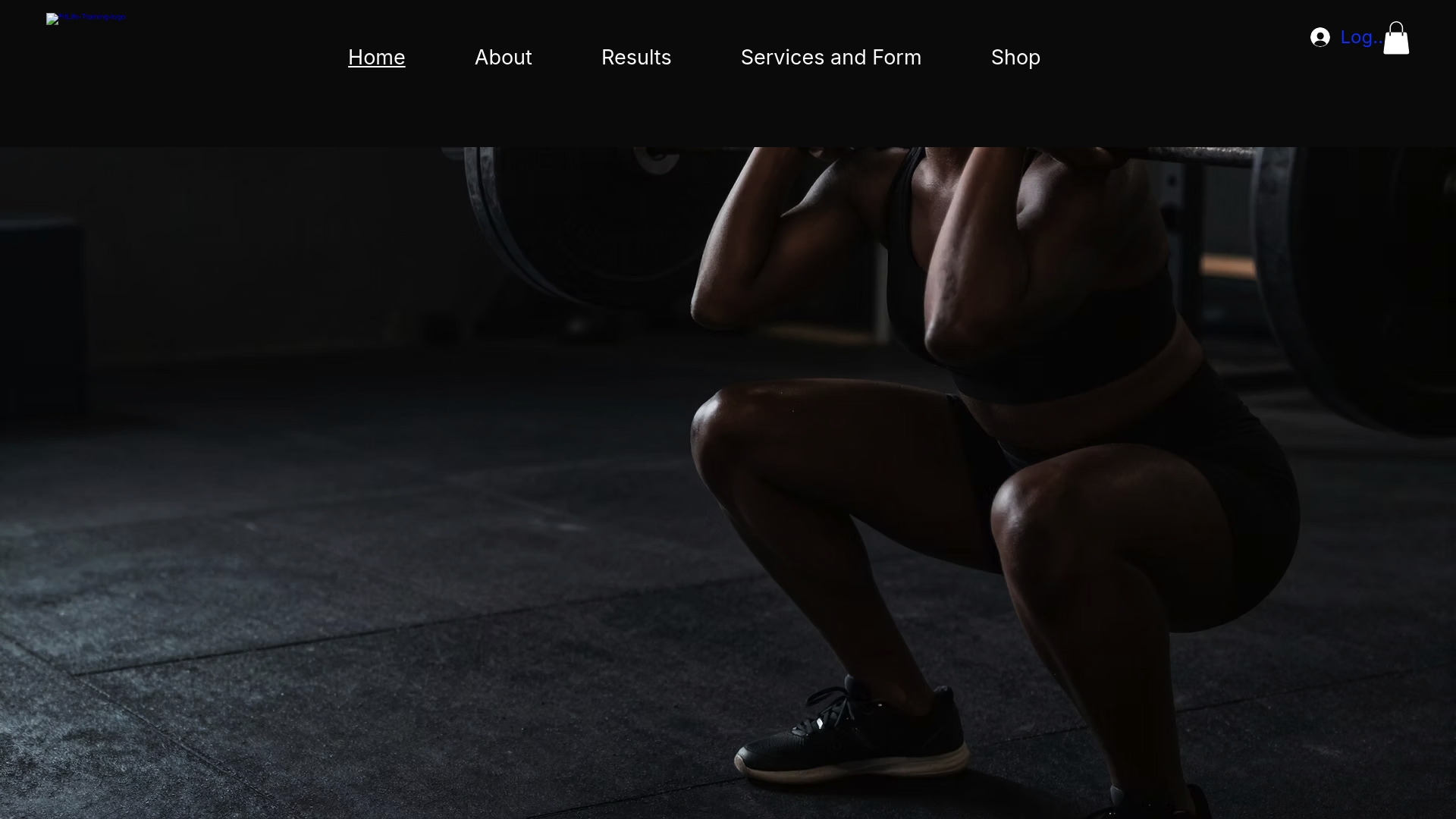
Whether you are in Pensacola, Milton, Cantonment, Navarre, Pensacola Beach Foley Alabama or training from a hotel room in another state, Terpinfit’s programs adapt to your schedule and your equipment. Every client gets a personalized program, weekly check-ins, and direct coach access through the app. If you are ready to stop restarting and start building real consistency, view Terpinfit’s services and submit an inquiry to get matched with the right program for your goals.
FAQ
What is virtual fitness coaching?
Virtual fitness coaching is expert personal training delivered remotely through apps, video, and wearable data. A coach builds your program, monitors your progress, and provides feedback without requiring you to be in the same location.
Is online fitness coaching as effective as in-person training?
Supervised remote training produces measurable cardiovascular improvements and better adherence than self-directed training. Research shows clients with coach supervision outperform those using apps alone.
How much does online fitness coaching cost compared to in-person training?
Online fitness coaching is typically 30% less expensive than in-person personal training. That savings allows most clients to sustain a 12-month coaching relationship instead of short-term bursts.
How do online coaches track your progress?
Coaches use platforms like Trainerize and wearables like the Oura Ring, Whoop, and Apple Watch to monitor sleep, recovery, and workout completion. That data lets coaches adjust your program based on how your body is actually responding.
Who benefits most from online fitness coaching?
Travelers, shift workers, busy parents, and adults over 40 benefit most from the flexibility and continuity of online coaching. Anyone who struggles with fixed gym schedules or commuting friction will find the remote model significantly easier to maintain long term.
Recommended
Comments