What Is a Workout App? Features, Benefits, and How to Choose


A workout app is a mobile or desktop application designed to guide, track, and personalize your exercise routines through programming, data tracking, and user feedback. These tools have evolved far beyond simple step counters. By 2026, platforms like Fitbod and Freeletics integrate real-time sensor data, AI-driven programming, and wearable connectivity into a single experience. Apple Fitness+ and Fitbit now sit at the center of how millions of Americans track their daily movement, heart rate, and recovery. Understanding what a workout app actually does, and how to pick the right one, is the first step toward using technology to reach your fitness goals.
What is a workout app and how does it work?
A workout app is a fitness coaching platform that collects your personal data, generates exercise plans, and adjusts those plans based on your progress. The core mechanic is a feedback loop: you input data, the app responds with a plan, you train, and the app refines its recommendations.
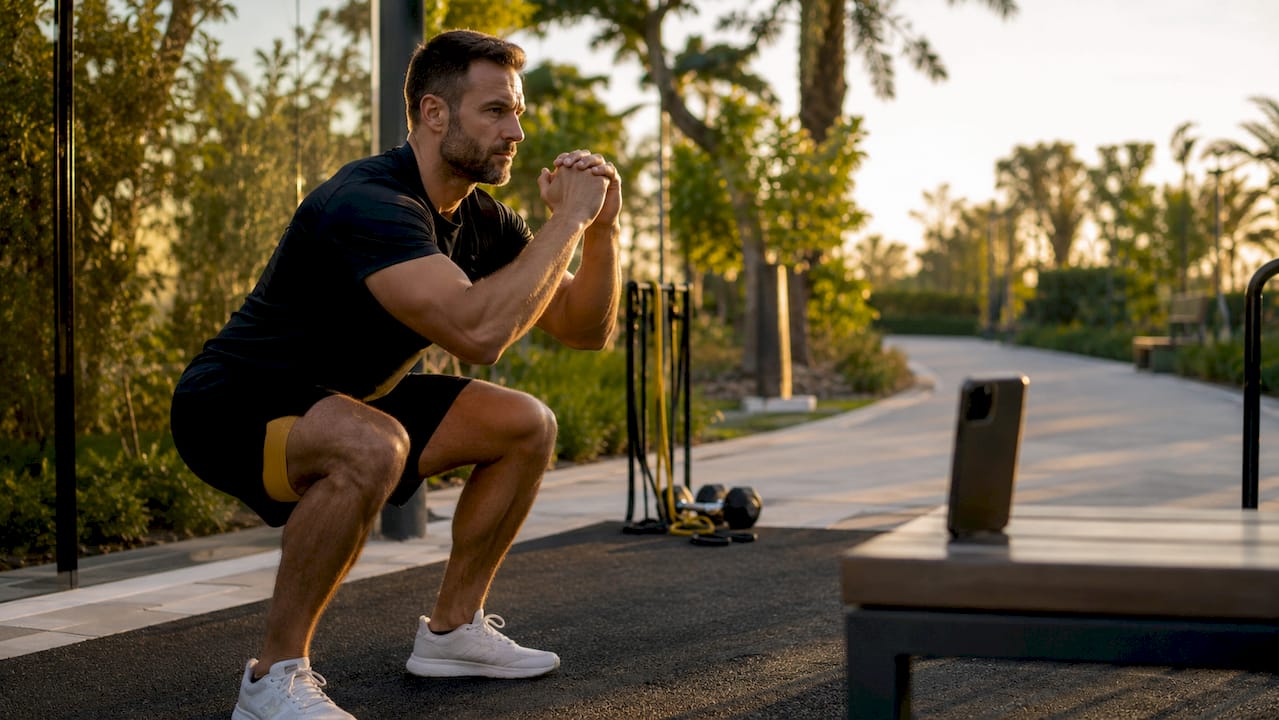
The data inputs vary by app. Most start with a user profile covering age, weight, fitness level, and goals. More advanced apps pull biometric data from wearables like Apple Watch or Fitbit, including heart rate, sleep quality, and active calories. AI algorithms analyze this data to generate workout plans that match your current capacity and adjust as you improve.
Some apps go further with computer vision. These tools use your phone camera to analyze joint angles and movement patterns in real time. Copilot is one example of an app that uses this technology for form correction. The catch is that computer vision has real limitations: poor lighting, awkward camera angles, and low contrast between your clothing and background all cause algorithm failures. Users often need to manually confirm corrections when the environment is not ideal.
Progress tracking closes the loop. Apps log every set, rep, and session. Over time, that data reveals trends in strength, endurance, and consistency. The result is a training history that a notebook or memory cannot match.
Pro Tip: Set up your phone on a stable surface with good lighting before using any form correction feature. A ring light or a bright window directly in front of you will reduce algorithm errors significantly.
What are the key features of top fitness apps?
The features that separate average apps from the best workout apps fall into two categories: must-haves and differentiators.
Must-have features every serious app includes:
Structured workout plans with progressive overload built in
An exercise library with video demonstrations
Session logging for sets, reps, weight, and time
Progress charts and personal records tracking
Goal setting with milestone markers
Differentiating features found in advanced apps:
Real-time form correction using computer vision
Voice coaching during sessions
Social challenges and community leaderboards
Nutrition tracking and meal logging integration
Wearable sync with Apple Watch, Fitbit, or Garmin
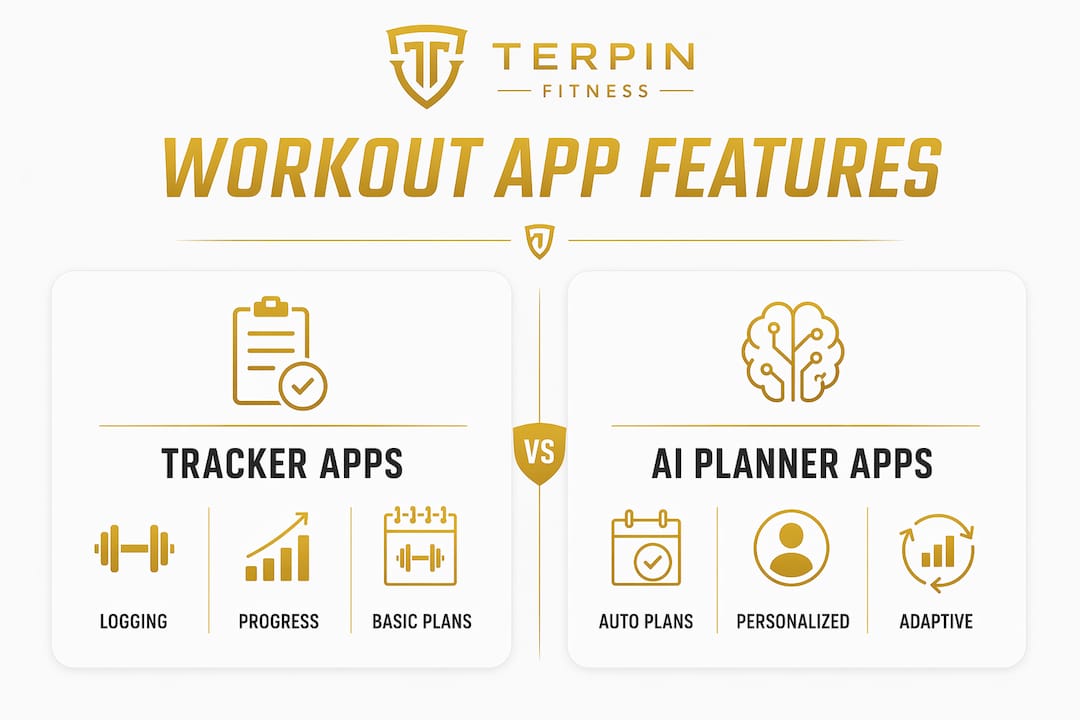
The distinction between workout tracker apps and AI workout planner apps matters more than most people realize. Tracker apps log your routines; you decide what to do, and the app records it. Planner apps use AI to decide what you should do next, based on your history and goals. Busy professionals tend to favor planners because they eliminate the mental work of programming.
The table below compares three well-known apps across the features that matter most:
Feature | Fitbod | Strong | FitOn |
AI workout generation | Yes | No | Limited |
Exercise video library | Yes | Yes | Yes |
Wearable integration | Yes | Limited | Yes |
Nutrition tracking | No | No | Yes |
Free tier available | Limited | Yes | Yes |
Form correction | No | No | No |
Pro Tip: If you train at a gym with barbells and machines, Fitbod or Strong will serve you better than FitOn. FitOn is built around bodyweight and cardio, which makes it a stronger fit for home training.
Programming quality, personalization, user experience, and ecosystem integration are the four primary benchmarks reviewers use to evaluate apps in 2026. They are weighted at 35%, 25%, 20%, and 20% respectively. Programming quality leads because a beautiful app with a poor training plan produces poor results.
What benefits do workout apps actually deliver?
The most practical benefit of a fitness app is availability. AI fitness apps offer 24/7 consistency that no human trainer can match on price or schedule. A trainer in Pensacola charges by the hour. An app charges a flat monthly fee and is ready at 5 a.m. or midnight.
Data-driven adaptation is the second major advantage. Apps monitor fatigue indicators, performance trends, and rest periods to adjust workout intensity in real time. A human trainer does this intuitively during a session. An app does it continuously, across weeks and months of logged data. The result is programming that stays calibrated to your actual fitness level, not the level you were at when you signed up.
Wearable integration with platforms like Apple Fitness+ and Fitbit adds another layer of accuracy. Heart rate data during a workout tells the app whether you are working hard enough or pushing too far. That feedback loop improves both safety and effectiveness.
Apps also reduce decision fatigue. Deciding what to do at the gym is a real cognitive load, especially for beginners. An app removes that friction entirely. You open it, follow the plan, and leave. User engagement is highest with apps that minimize this decision burden through AI planning and ongoing progress tracking.
How to choose the best workout app for your fitness goals
Choosing the right app starts with one question: what are you training for? The answer shapes every other decision.
Selection Criteria | What to Look For |
Fitness goal | Hypertrophy, weight loss, endurance, or general fitness |
Equipment access | Home bodyweight, resistance bands, or full gym |
Experience level | Beginner, intermediate, or advanced programming |
Tracking preference | Manual logging vs. AI-generated plans |
Ecosystem fit | Apple Watch, Fitbit, Garmin, or no wearable |
Budget | Free tier, monthly subscription, or one-time purchase |
Goal clarity matters most. An app built for powerlifting will frustrate someone training for a 5K. Fitbod excels at strength and hypertrophy programming. FitOn covers cardio and flexibility well. Neither is the best workout app for every person.
Equipment access is the second filter. If you train at home with adjustable resistance bands, you need an app with bodyweight and band-based programming. If you train at a commercial gym, you want an app that programs barbell and machine movements with progressive overload built in.
Experience level determines how much structure you need. Beginners benefit from apps that explain every exercise and build volume gradually. Advanced lifters often prefer apps that let them customize rep ranges, rest periods, and exercise selection. AI-powered apps democratize access to personalized training that was previously only available through a human coach.
Pricing varies widely. Most top apps offer a free tier with limited features and a paid subscription for full access. Test the free version before committing to a subscription. The best app for you is the one you will actually open every day.
Key Takeaways
A workout app delivers the most value when you choose it based on your specific goal, equipment, and training style, then use it consistently with honest feedback.
Point | Details |
Core definition | A workout app guides, tracks, and personalizes exercise through AI and user data. |
AI feedback loop | Skipping effort feedback in the app produces generic, less effective programming. |
App type matters | Tracker apps log what you do; AI planner apps decide what you should do next. |
Wearables improve accuracy | Syncing Apple Watch or Fitbit gives the app real-time biometric data for better adaptation. |
Choose by goal first | Match the app to your specific training goal before evaluating features or price. |
Why I think most people are using their workout app wrong
Most people download a fitness app, follow the first plan it generates, and then wonder why results stall after six weeks. The problem is not the app. It is the feedback loop.
Machine learning models inside these apps rely on consistent user input to improve their recommendations. When you skip the post-workout effort rating or ignore the “how did that feel?” prompt, the AI has nothing to work with. It keeps generating the same plan. You keep getting the same results.
The second mistake I see constantly is trusting form correction features in a bad environment. AI form correction is genuinely useful technology, but environmental setup problems cause frequent failures. A dark garage gym with a phone propped against a water bottle is not going to give you accurate feedback on your squat depth.
My honest recommendation: use the app for programming and tracking, and pair it with at least occasional human coaching for form work. Technology handles volume and consistency well. A coach handles nuance and correction better. The two are not competitors. They work best together.
— Marc
How Terpinfit can take your app-guided training further
App-guided training builds consistency. Expert coaching builds results that last.
Terpinfit offers online personal training and in-person coaching in Pensacola, Florida, designed to complement the structure your fitness app provides. When your app tells you to train but not how to fix your form, Terpinfit fills that gap. You can also pair your app-guided sessions with Terpinfit’s pre-workout formula for consistent energy, or pick up loop resistance bands to expand your home training options. Ready to add a real coach to your routine? View Terpinfit’s services and find the right fit for your goals.
FAQ
What is a workout app used for?
A workout app guides users through exercise plans, tracks performance over time, and adjusts programming based on progress and biometric data. Most apps also include exercise libraries, goal setting, and wearable integration.
Are workout apps effective for building muscle?
Yes. AI-driven apps like Fitbod use progressive overload principles and adapt to your logged performance, which are the same methods a personal trainer applies. Consistent use with honest feedback produces measurable strength and muscle gains.
How do workout apps connect to wearables?
Apps like Apple Fitness+ and Fitbit-compatible platforms sync through Bluetooth and device APIs to pull heart rate, calorie, and sleep data in real time. That data feeds directly into workout intensity recommendations and recovery tracking.
Do I need a paid subscription to get results?
Free tiers on apps like Strong and FitOn provide enough structure for beginners to see early progress. Paid tiers unlock AI personalization, advanced analytics, and full exercise libraries, which matter more as your training becomes more specific.
Can a workout app replace a personal trainer?
A workout app replaces the scheduling and programming functions of a trainer at a fraction of the cost. It cannot replace hands-on form correction, real-time motivation, or the nuanced adjustments an experienced coach makes in person.
Recommended
Comments